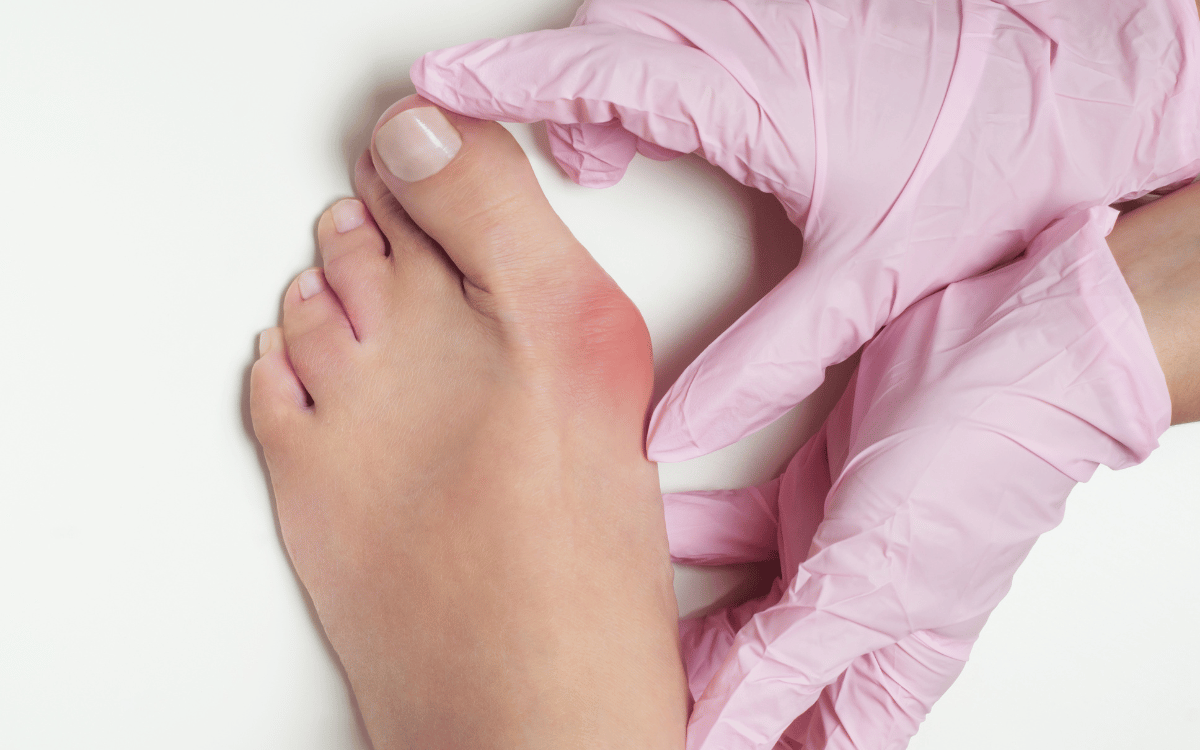
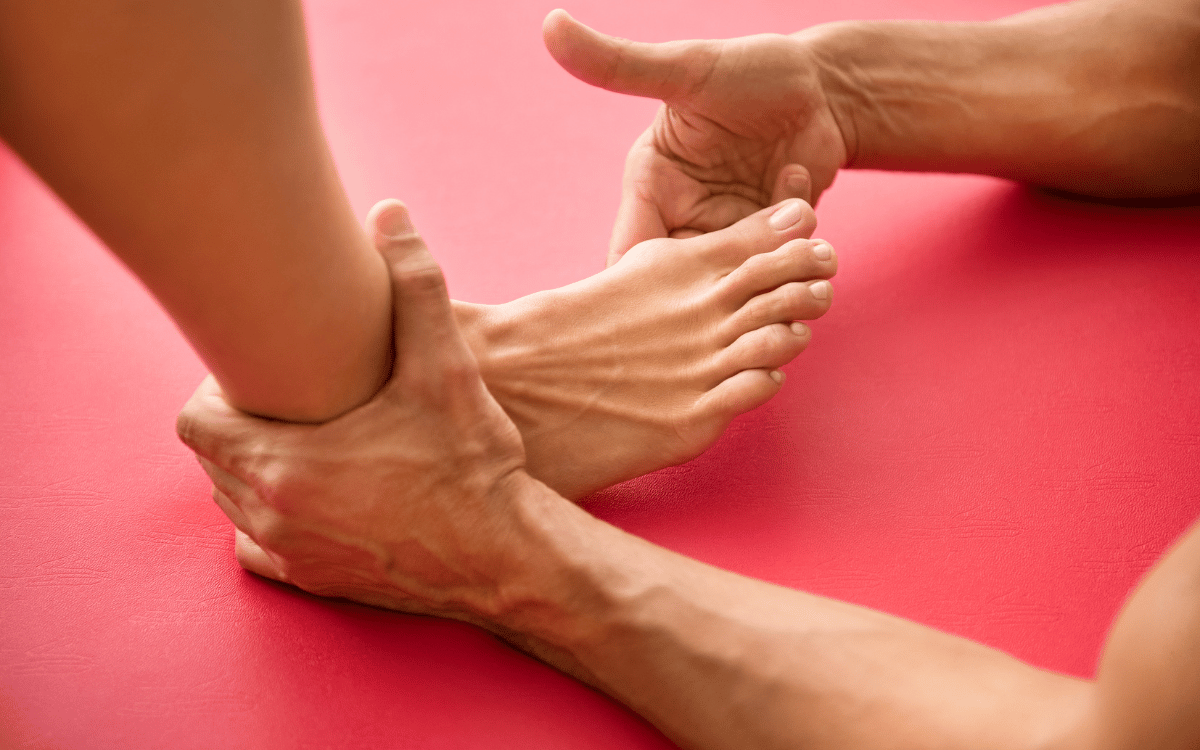
Understanding Foot Types for Optimal Shoe Selection
Choosing the right running shoes begins with understanding your foot type. Different foot shapes, such as flat, neutral, or high-arched, influence how your foot interacts with the ground and the type of support you need from your footwear.
For instance, individuals with flat feet may benefit from stability shoes that provide extra support, while those with high arches might require cushioned shoes to absorb impact. Knowing your foot type can help you make an informed decision, reducing the risk of injury and enhancing your running experience.
The Importance of Shoe Fit and Comfort
Proper fit is crucial when selecting running shoes, as an ill-fitting shoe can lead to discomfort and injuries. It’s essential to try on shoes later in the day when your feet are slightly swollen for the best fit, ensuring there's enough room in the toe box and a snug fit around the heel.
Comfort should be prioritized; look for shoes that feel good from the moment you put them on. Many brands offer different widths to accommodate various foot shapes, so don’t hesitate to explore options that provide the best comfort and support for your unique needs.
Key Features to Consider in Running Shoes
When shopping for running shoes, pay attention to key features such as cushioning, support, and traction. These elements can significantly affect your performance and comfort during runs.
For example, shoes with good cushioning help absorb shock, reducing the impact on your joints, while a shoe with excellent traction is vital for stability on different terrains. Assessing these features based on your running style and the surfaces you typically run on can lead to a more tailored and effective choice.
Common Mistakes to Avoid When Buying Running Shoes
Many runners make common mistakes when purchasing shoes, such as prioritizing style over function or choosing shoes based solely on brand reputation. It’s crucial to focus on how a shoe performs and feels rather than its appearance.
Another frequent error is not replacing worn-out shoes in a timely manner; running in old shoes can lead to discomfort and injuries. Regularly assessing your shoes and replacing them every 300-500 miles can help maintain optimal foot health and running performance.