Frequently Asked Questions
What are symptoms of an ingrown callus on foot?
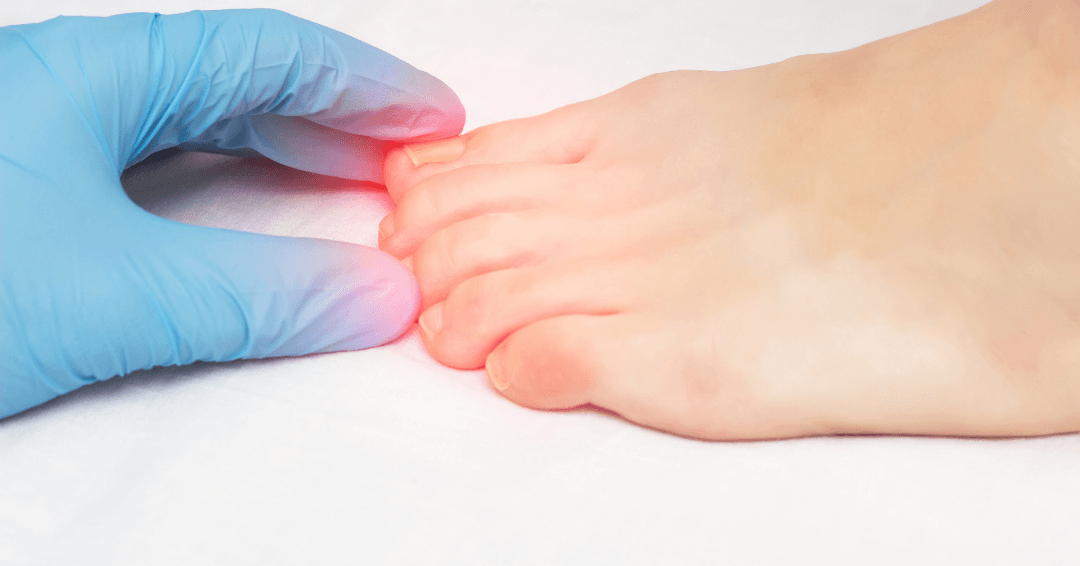
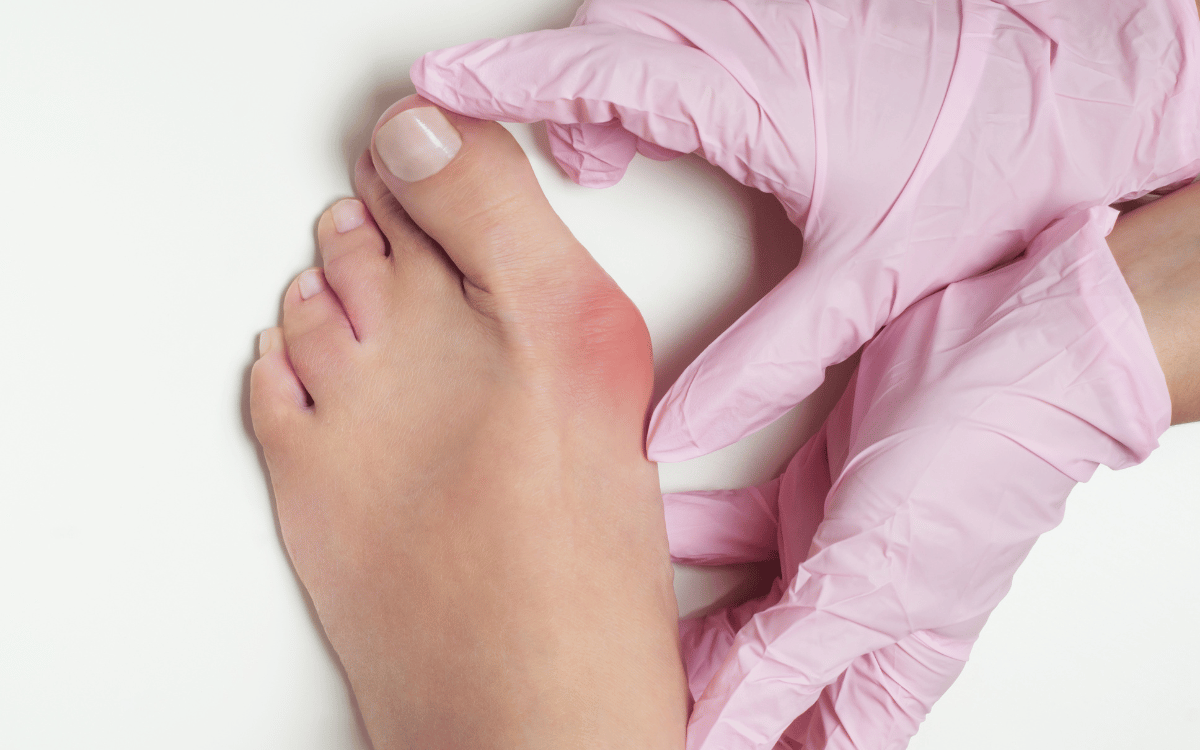
The symptoms of an ingrown callus on the foot include localized pain, tenderness, redness, and swelling around the affected area, often accompanied by thickened skin that may become hard or flaky.
Can an ingrown callus on foot be painful?
An ingrown callus on the foot can indeed be painful. This condition occurs when the callus grows inward, causing discomfort and irritation, especially when walking or standing.
How do I prevent ingrown foot calluses from forming?
Preventing ingrown foot calluses involves maintaining proper foot hygiene, wearing well-fitting shoes, and regularly exfoliating the feet. Additionally, keep your toenails trimmed straight across to reduce the risk of ingrown nails, which can lead to callus formation.
What are the best treatments for ingrown foot calluses?
The best treatments for ingrown foot calluses involve regular foot care, including soaking the feet, gently exfoliating the callused area, and using protective padding. In severe cases, professional podiatric intervention may be necessary for effective relief.
Can ingrown foot calluses cause infections?
Ingrown foot calluses can cause infections. When calluses become ingrown, they may create openings in the skin that allow bacteria to enter, leading to potential infections if not treated promptly.
Can an ingrown callus on foot lead to infection?
An ingrown callus on the foot can lead to infection if it becomes damaged or if bacteria enter through cracks in the skin. Proper treatment is essential to prevent complications.
How to remove an ingrown callus from foot safely?
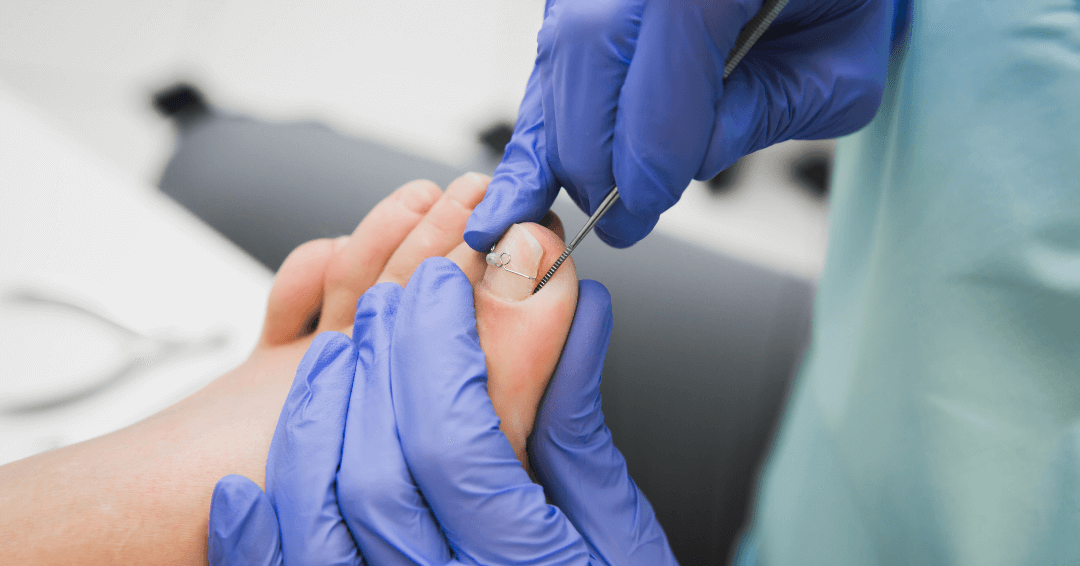
Removing an ingrown callus from the foot safely involves soaking the foot in warm water to soften the skin, gently exfoliating the area, and using a pumice stone. For persistent issues, it’s best to consult a podiatrist for professional treatment.
How do I treat an ingrown foot callus at home?
Treating an ingrown foot callus at home involves soaking your foot in warm, soapy water, gently exfoliating the callus, and applying a moisturizing cream. If pain persists, consult a podiatrist for professional care.
How to treat an ingrown callus on foot at home?
Treating an ingrown callus on your foot at home involves soaking the foot in warm water, gently exfoliating the area, and applying a moisturizing cream. If discomfort persists, consider seeking professional treatment to prevent complications.
What causes an ingrown callus on the foot?
The causes of an ingrown callus on the foot include excessive friction, pressure from ill-fitting footwear, and repetitive motions that lead to thickened skin. These factors can result in painful, hardened areas that may grow inward.
How do I know if I have an ingrown foot callus?
The signs of an ingrown foot callus include localized pain, redness, swelling, and thickened skin around the affected area. If you experience these symptoms, it's advisable to consult a podiatrist for proper diagnosis and treatment.
Can ingrown foot calluses be removed surgically?
Ingrown foot calluses can be removed surgically. This procedure is typically recommended when conservative treatments fail, alleviating pain and preventing further complications. Consulting a podiatrist will help determine the best approach for your specific condition.
How to prevent ingrown calluses on the foot?
Preventing ingrown calluses on the foot involves maintaining proper foot hygiene, wearing well-fitting shoes, and regularly moisturizing your feet. Additionally, avoid excessive friction and pressure on your feet to reduce the risk of callus formation.
What causes ingrown foot calluses to develop?
The causes of ingrown foot calluses developing include excessive pressure on the feet, ill-fitting shoes, and repetitive friction or trauma to the skin. These factors can lead to thickened skin that grows inward, causing discomfort.
What are common treatments for foot calluses?
Common treatments for foot calluses include regular exfoliation, moisturizing, and the use of over-the-counter pads or creams. In more severe cases, a podiatrist may recommend professional removal or custom orthotics to alleviate pressure.
How can I identify an ingrown callus?
Identifying an ingrown callus involves looking for thickened, hardened skin on the foot that may cause pain, redness, or swelling. If you notice discomfort and changes in skin texture, it's advisable to consult a podiatrist for assessment.
What footwear is best for preventing calluses?
The best footwear for preventing calluses includes shoes with a wide toe box, adequate cushioning, and breathable materials. Avoid tight-fitting or high-heeled shoes, as they can increase friction and pressure on the feet.
Are there home remedies for foot calluses?
Home remedies for foot calluses include soaking your feet in warm water, gently exfoliating with a pumice stone, and applying moisturizing creams or oils to soften the skin. Regular care can help manage and reduce calluses effectively.
How often should I check my feet?
Regularly checking your feet is essential for maintaining foot health. You should examine your feet daily for any signs of issues, especially if you have diabetes or other conditions that affect circulation.
What complications can arise from untreated calluses?
Untreated calluses can lead to complications such as painful cracks in the skin, increased risk of infections, and difficulty walking, which may ultimately affect overall foot health. Seeking treatment is essential to prevent these issues.
How do I care for my feet daily?
Daily foot care involves washing your feet with soap and water, drying them thoroughly, moisturizing to prevent dryness, trimming toenails straight across, and wearing well-fitted shoes to support foot health and prevent common issues.
What is the recovery time for callus removal?
The recovery time for callus removal is typically quick, with most patients experiencing minimal discomfort and returning to normal activities within a few days. Proper aftercare can further enhance healing and comfort.
Can diabetes affect foot callus development?
Diabetes can significantly affect foot callus development. High blood sugar levels can lead to nerve damage and poor circulation, increasing the risk of calluses and other foot complications. Regular foot care is essential for those with diabetes.
What are signs of infection in foot calluses?
Signs of infection in foot calluses include increased redness, swelling, warmth, and tenderness around the callus, as well as the presence of pus or a foul odor. If you notice these symptoms, it's important to seek medical attention promptly.
How can I relieve pain from foot calluses?
Relieving pain from foot calluses involves regularly soaking your feet, gently exfoliating the hardened skin, and applying moisturizing creams. Additionally, wearing cushioned footwear can help alleviate pressure and discomfort. For persistent pain, consider consulting a podiatrist.
What professional treatments are available for calluses?
Professional treatments for calluses include thorough debridement by a podiatrist, the application of medicated pads, and custom orthotics to redistribute pressure. These methods effectively reduce discomfort and prevent future callus formation.
How do I choose the right foot cream?
Choosing the right foot cream involves considering your specific foot concerns, such as dryness, cracking, or fungal infections. Look for creams with moisturizing ingredients like urea or shea butter, and ensure they are suitable for your skin type.
What lifestyle changes can prevent foot calluses?
Lifestyle changes that can prevent foot calluses include wearing properly fitted shoes, maintaining foot hygiene, moisturizing regularly, and avoiding excessive friction during physical activities. These practices help keep your feet healthy and reduce the risk of callus formation.
Are there specific exercises to improve foot health?
Specific exercises can significantly improve foot health. Stretching, toe raises, and ankle rotations help strengthen muscles and enhance flexibility, reducing the risk of common foot conditions. Regular practice can lead to better overall foot function and comfort.
What should I do if my callus bleeds?
If your callus bleeds, it is essential to clean the area gently with soap and water, apply a sterile bandage, and avoid further irritation. If bleeding persists or you notice signs of infection, seek professional medical advice promptly.