Frequently Asked Questions
How can I prevent foot pain during the Oxfam Walk?
Preventing foot pain during the Oxfam Walk involves proper preparation and care. Focus on wearing well-fitted shoes, performing regular foot exercises, and incorporating stretches. Additionally, consider scheduling a foot assessment for personalized advice and support.
What exercises can help with foot discomfort for long-distance walking?
Exercises that can help alleviate foot discomfort during long-distance walking include tennis ball massages, calf stretches, and toe crunches. These activities promote flexibility, relieve tension, and strengthen foot muscles, enhancing overall foot health and performance.
What tips do you have for maintaining foot health during events like the Oxfam Walk?
Maintaining foot health during events like the Oxfam Walk is essential. Focus on proper footwear, stay hydrated, and incorporate exercises such as calf stretches and tennis ball massages to alleviate tension and prevent pain.
How can I prepare my feet for the Oxfam Walk?
Preparing your feet for the Oxfam Walk involves proper conditioning and care. Focus on strengthening exercises, such as calf stretches and toe crunches, alongside regular foot massages to enhance circulation and flexibility.
What stretches help prevent foot pain?
Stretches that help prevent foot pain include calf stretches, toe curls, and Achilles tendon stretches. These exercises improve flexibility and circulation, reducing the risk of discomfort during long-distance walking events.
How to choose the right walking shoes?
Choosing the right walking shoes involves considering fit, support, and cushioning. Ensure they provide adequate arch support, a comfortable fit without tightness, and enough cushioning to absorb impact during long walks.
What are common foot issues during long walks?
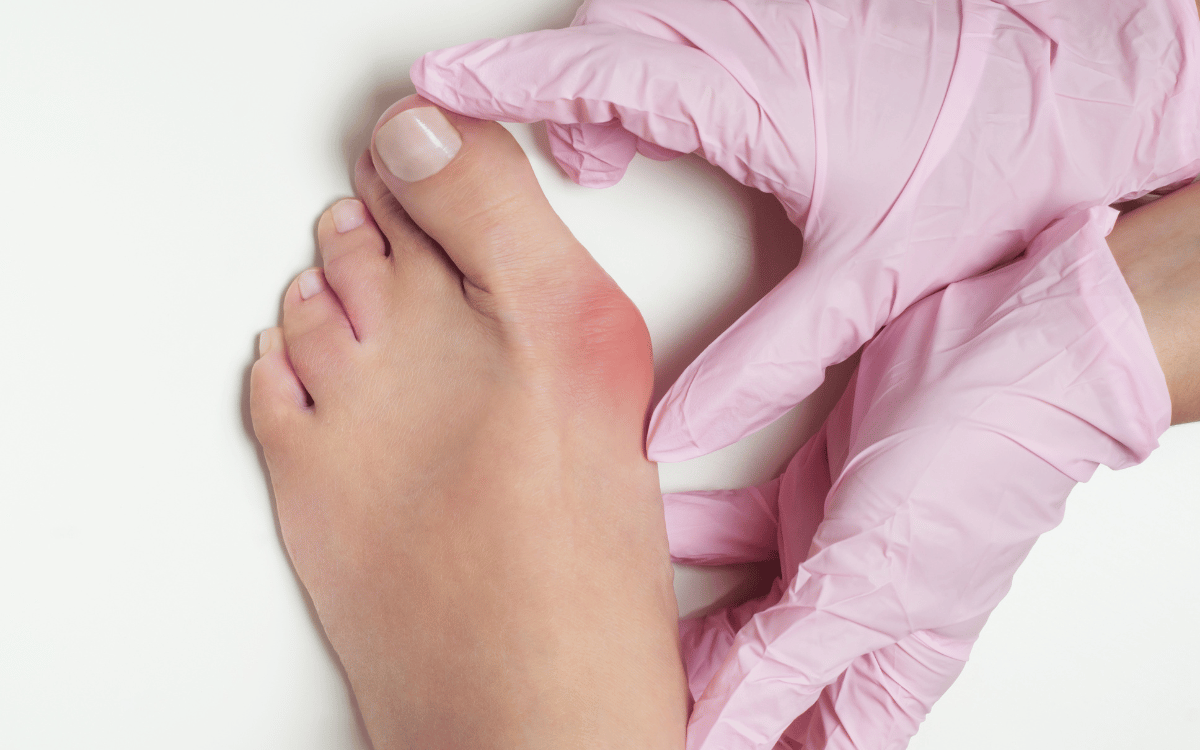
Common foot issues during long walks include blisters, plantar fasciitis, arch pain, and metatarsalgia. These conditions can arise from improper footwear, overuse, or lack of foot care, making it essential to prioritize foot health during endurance activities.
How can I strengthen my foot muscles?
Strengthening your foot muscles can be achieved through exercises such as toe raises, calf stretches, and using a tennis ball to massage the arch. Regular practice will enhance stability and support during activities like walking or running.
What should I do for blisters during the walk?
Blisters during the walk can be managed by keeping the area clean and applying a blister pad or bandage. If a blister forms, avoid popping it to reduce the risk of infection.
How to care for my feet post-event?
Caring for your feet post-event is essential for recovery. After participating in events like City2Surf or the Oxfam Walk, soak your feet in warm water, stretch your muscles, and apply ice to reduce swelling.
What are the best warm-up exercises for walking?
The best warm-up exercises for walking include dynamic stretches like leg swings, walking lunges, and ankle circles. These movements help increase blood flow, enhance flexibility, and prepare your muscles for a comfortable walking experience.
How can I improve my walking posture?
Improving your walking posture involves maintaining an upright stance, engaging your core, and ensuring your shoulders are relaxed. Focus on keeping your head up and your hips aligned with your feet to promote balance and reduce strain during long walks.
What hydration tips are best for long walks?
The best hydration tips for long walks are to drink water regularly before, during, and after your walk, and to consider electrolyte drinks for extended durations to replenish lost minerals. Aim for small sips every 15-20 minutes to stay adequately hydrated.
How to manage foot fatigue during events?
Managing foot fatigue during events involves regular breaks, proper hydration, and targeted exercises like calf stretches and toe curls. Additionally, wearing well-fitted shoes can significantly reduce discomfort and enhance endurance.
What are effective cool-down exercises after walking?
Effective cool-down exercises after walking include gentle calf stretches, hamstring stretches, and ankle rotations. These help reduce muscle tension, improve flexibility, and promote recovery, ensuring your feet and legs feel better after long walks.
How can I avoid injuries during the Oxfam Walk?
To avoid injuries during the Oxfam Walk, focus on proper training, wear supportive footwear, stay hydrated, and incorporate stretching and strengthening exercises into your routine to enhance foot health and endurance.
What role does foot arch play in walking?
The role of foot arch in walking is crucial as it helps absorb shock, provides stability, and facilitates proper weight distribution. A well-formed arch supports efficient movement, reducing the risk of foot pain during activities like walking or running.
How often should I rest during long walks?
Resting during long walks is essential for maintaining energy and preventing injury. It's recommended to take a break every 30 to 60 minutes, allowing for hydration and foot care to keep your feet healthy.
What are the benefits of foot massages?
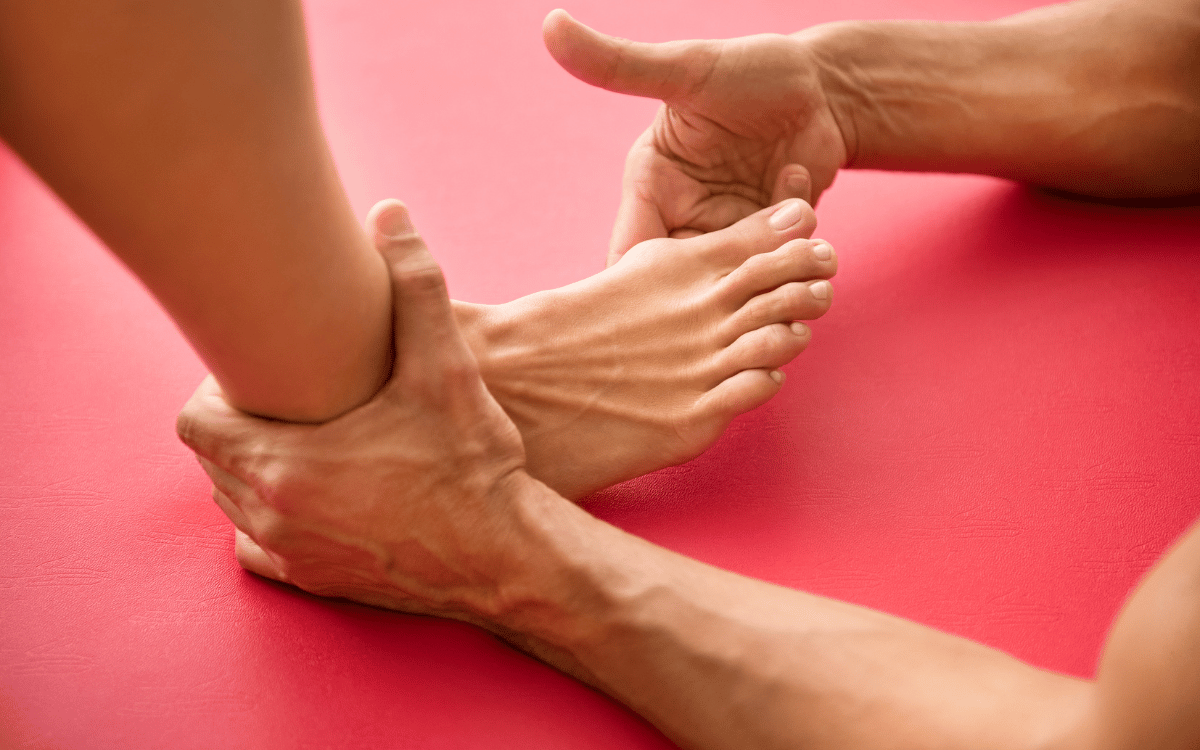
The benefits of foot massages are numerous, including improved circulation, reduced tension, and relief from foot pain. Regular foot massages can enhance overall foot health, making them especially beneficial for those participating in long-distance walking events.
How can I maintain foot hygiene during events?
Maintaining foot hygiene during events is essential for comfort and performance. Keep your feet clean and dry, wear moisture-wicking socks, and change them regularly. Apply antifungal powder to prevent infections and ensure your shoes fit well to avoid blisters.
What signs indicate I need professional foot care?
Signs that indicate you need professional foot care include persistent pain, swelling, numbness, or changes in skin color. If you experience difficulty walking or notice unusual growths or infections, it's essential to seek expert advice.