Benefits of Interval Training for Runners
Interval training is a highly effective method for runners looking to maintain fitness during isolation. This training approach alternates between high-intensity bursts and lower-intensity recovery periods, allowing runners to build endurance and speed while minimizing the risk of injury.
Research shows that interval training can improve cardiovascular fitness significantly in a shorter amount of time compared to steady-state running. For instance, a study found that participants who engaged in interval training for just 20 minutes experienced similar benefits to those who ran continuously for 40 minutes. This makes it an ideal option for those with limited time or space.
Tips for Safe Running During Isolation
As many people take to the streets or parks to stay active during isolation, it's crucial to prioritize safety while running. Key tips include maintaining social distancing, wearing appropriate footwear, and being mindful of your surroundings to avoid accidents.
Additionally, consider running at off-peak times to reduce encounters with others. Staying hydrated and choosing well-lit areas can further enhance your running experience, ensuring that you remain safe while enjoying the health benefits of exercise.
Common Foot Problems for Runners
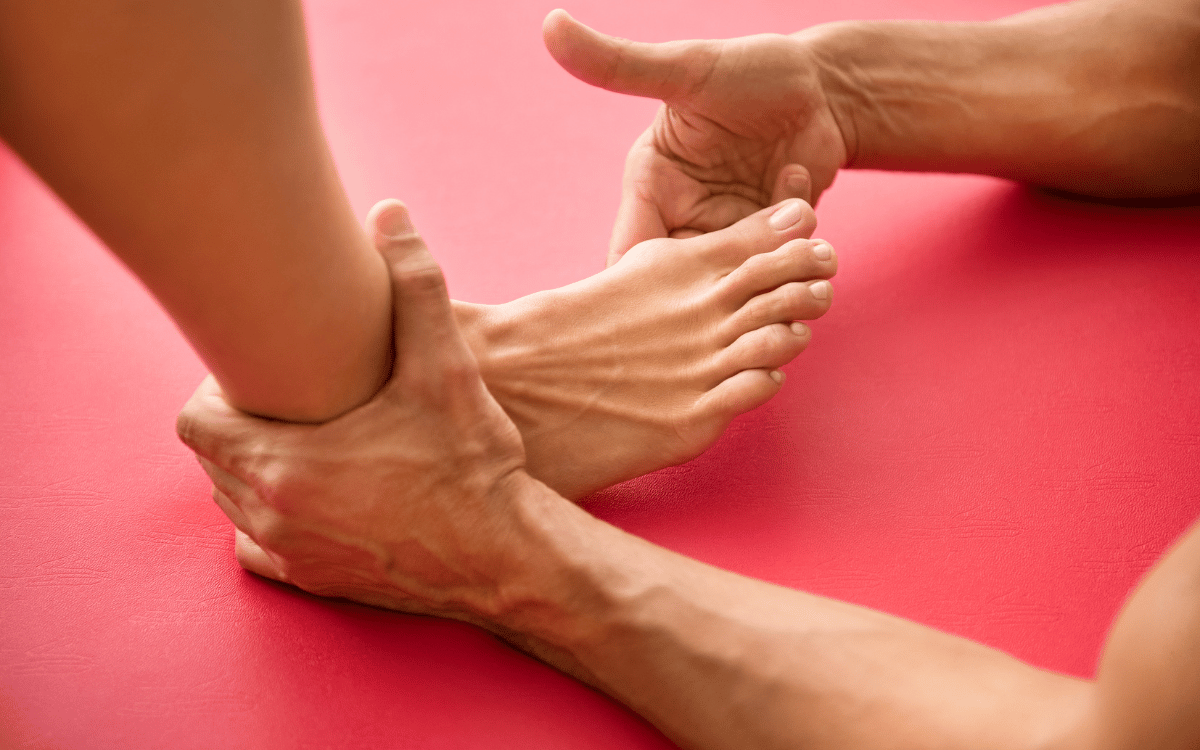
Runners often face specific foot problems due to the repetitive nature of the activity. Common issues include plantar fasciitis, Achilles tendonitis, and blisters, all of which can hinder performance and lead to long-term complications if not addressed promptly.
Understanding these conditions is vital for prevention and recovery. For example, plantar fasciitis can be alleviated with proper stretching and supportive footwear, while blisters can often be prevented with the right socks and shoes. Consulting with a podiatrist can provide tailored solutions to keep runners on their feet.
How to Prepare for a Foot Assessment
Preparing for a foot assessment can help ensure that you receive the most accurate diagnosis and effective treatment. It's advisable to keep a record of your symptoms, including pain levels, duration, and any activities that exacerbate the issues.
Additionally, wearing your usual footwear to the appointment can provide valuable insights for the podiatrist. Being open about your lifestyle and running habits will also aid in developing a comprehensive treatment plan tailored to your needs.