
If you suffer from shin splints and want to decrease your pain, here is an exercise to help.
by Daniel Fitzpatrick | Dec 11, 2017 | Exercises, Runners, Videos
Book Your 65% Off Expert Foot Pain Assessment – Click here
by Daniel Fitzpatrick | Dec 11, 2017 | Exercises, Runners, Videos
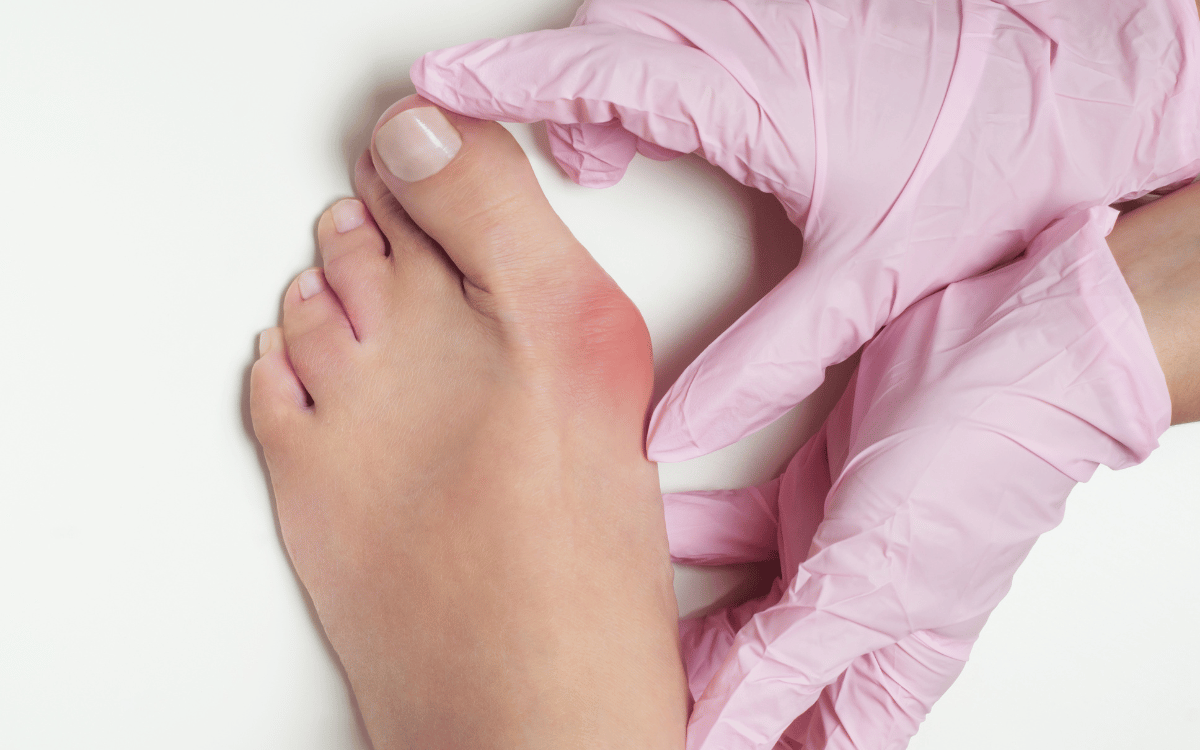

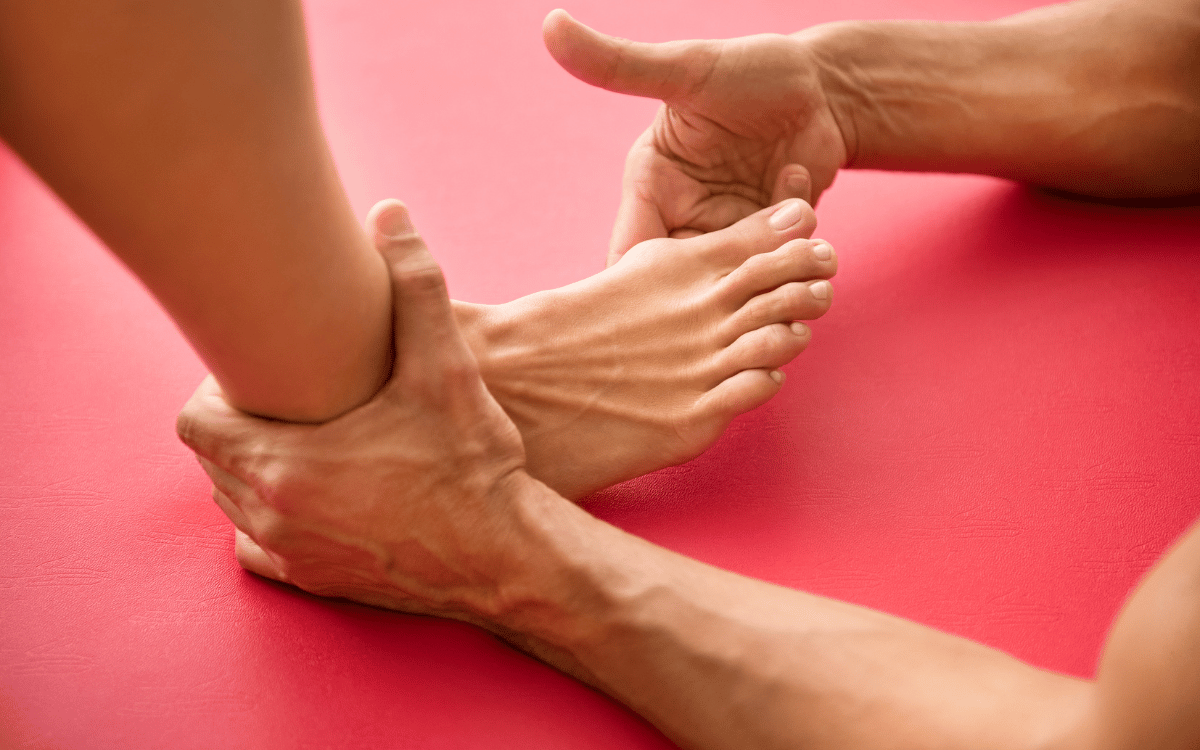
Shin splints, or medial tibial stress syndrome, are a common condition among runners and athletes, characterized by pain along the shin bone. This pain typically arises from overuse, improper footwear, or inadequate training techniques, leading to inflammation of the muscles, tendons, and bone tissue around the shin.
Common symptoms include a dull ache in the front part of the lower leg, tenderness, swelling, and pain that worsens with activity. Recognizing these symptoms early can help in managing the condition effectively and preventing further injury.
Incorporating specific exercises into your routine can significantly reduce shin splints pain and promote recovery. These exercises typically focus on strengthening the muscles of the lower leg and improving flexibility, which can alleviate pressure on the shinbone.
Examples include calf raises, toe taps, and stretching exercises targeting the calves and Achilles tendon. Regularly performing these exercises can enhance muscle endurance and reduce the risk of future episodes of shin splints.
If self-managed strategies do not alleviate shin splints pain, it may be time to consult a podiatrist. Professional assessment can identify underlying issues that may contribute to the condition, such as biomechanical abnormalities or improper footwear.
A podiatrist can provide tailored treatment plans, including physical therapy, orthotics, or specific rehabilitation exercises, ensuring a comprehensive approach to recovery and long-term foot health.
Preventing shin splints is crucial for maintaining an active lifestyle, especially for runners. Key strategies include gradually increasing training intensity, ensuring proper footwear, and incorporating rest days into your routine to allow for muscle recovery.
Additionally, cross-training with low-impact activities, such as swimming or cycling, can help maintain fitness while reducing the risk of overuse injuries. Listening to your body and adjusting your training program accordingly is essential for long-term success.