Frequently Asked Questions
How to eliminate foot pain from menopause?
Eliminating foot pain from menopause involves addressing hormonal changes through targeted exercises, proper footwear, and seeking professional podiatric care. Regular stretching and strengthening can also help alleviate discomfort and improve foot stability.
What causes foot pain during menopause?
The causes of foot pain during menopause include hormonal changes that affect ligaments and joints, leading to instability, as well as increased body weight and circulation issues, which can exacerbate discomfort in the feet.
Menopause why do my feet hurt?
The reason your feet may hurt during menopause is due to hormonal changes that affect ligaments and joints, leading to increased foot pain and instability. It's important to address these changes with appropriate care and exercises.
What treatments relieve menopause-related foot pain?
Treatments that relieve menopause-related foot pain include custom orthotics for support, physical therapy for strengthening exercises, and anti-inflammatory medications to reduce discomfort. Consulting a podiatrist can help tailor a treatment plan to your specific needs.
How can I manage foot discomfort during menopause?
Managing foot discomfort during menopause involves maintaining a healthy weight, wearing supportive footwear, and performing foot-strengthening exercises. Consulting a podiatrist can also provide tailored solutions and treatments for your specific foot issues.
Are there exercises for menopause foot pain relief?
Exercises for menopause foot pain relief include stretching and strengthening routines that target the feet and lower legs. These exercises can help alleviate discomfort and improve stability, making them beneficial for managing foot pain during menopause.
What lifestyle changes help with menopause foot pain?
Lifestyle changes that can help with menopause foot pain include maintaining a healthy weight, wearing supportive footwear, incorporating regular foot exercises, and staying active to improve circulation and strengthen foot muscles.
How does menopause affect foot health specifically?
Menopause specifically affects foot health by causing hormonal changes that can lead to foot pain, swelling, and instability. These changes may also increase the risk of conditions such as plantar fasciitis and arthritis, impacting mobility and comfort.
Can diet influence foot pain during menopause?
Diet can influence foot pain during menopause. A balanced diet rich in anti-inflammatory foods can help alleviate pain and improve overall foot health, while excessive sugar and processed foods may exacerbate discomfort.
What are common foot issues during menopause?
Common foot issues during menopause include increased foot pain, swelling, and instability, often resulting from hormonal changes that affect ligaments and tendons. These changes can lead to discomfort and difficulty in mobility, necessitating proper care and attention.
How to identify menopause-related foot pain symptoms?
Identifying menopause-related foot pain symptoms involves recognizing discomfort, swelling, or instability in the feet, often exacerbated by hormonal changes. Look for signs like aching arches, heel pain, or increased sensitivity, and consult a professional if these persist.
What footwear is best for menopause foot pain?
The best footwear for menopause foot pain includes supportive shoes with cushioning, arch support, and a wide toe box. Look for styles that reduce pressure on the feet, such as sneakers or orthopedic shoes, to enhance comfort and stability.
How can physical therapy help menopause foot pain?
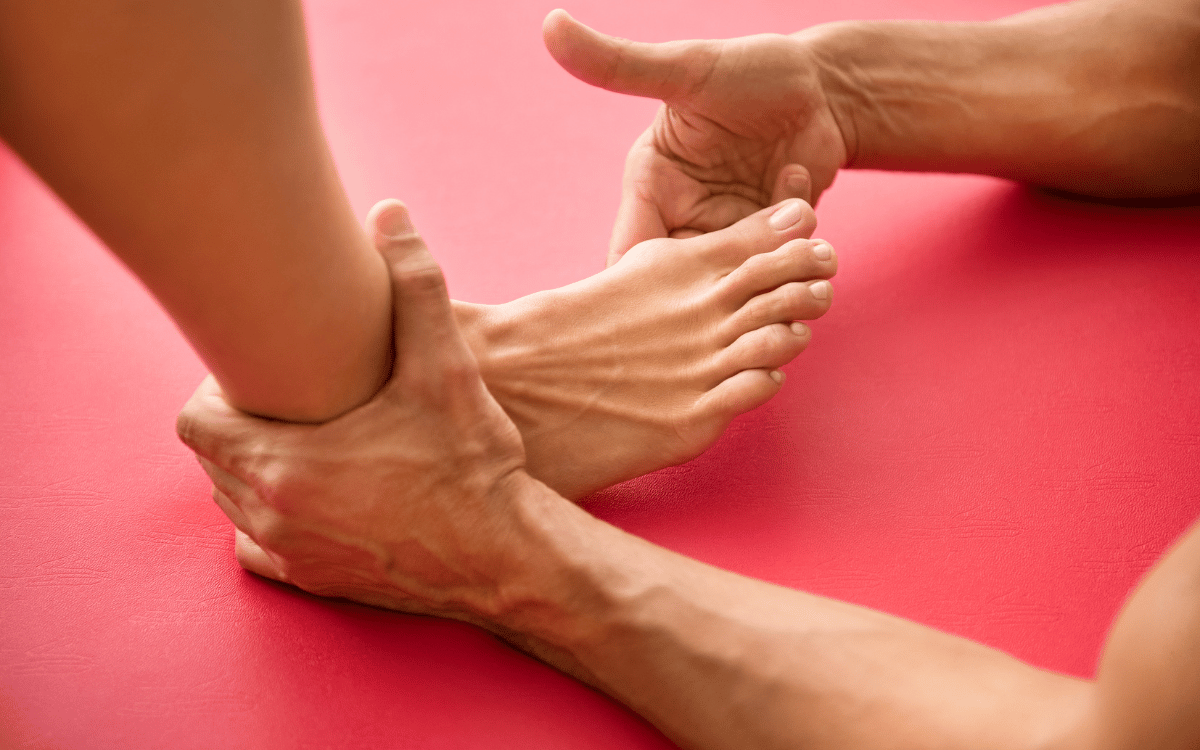
Physical therapy can effectively alleviate menopause-related foot pain by strengthening the muscles, improving balance, and enhancing flexibility. Tailored exercises and techniques help address specific foot conditions, promoting overall foot health during this transitional phase.
Are there natural remedies for menopause foot pain?
Natural remedies for menopause foot pain include gentle stretching, warm foot baths, and the use of supportive footwear. Additionally, applying ice or heat can alleviate discomfort, while maintaining a healthy diet may help manage symptoms effectively.
What role do hormones play in foot pain?
Hormones play a significant role in foot pain by affecting the body's connective tissues and inflammation levels. During menopause, hormonal fluctuations can lead to increased foot discomfort, instability, and conditions such as plantar fasciitis.
How to prevent foot pain during menopause?
Preventing foot pain during menopause involves maintaining a healthy weight, wearing supportive footwear, and incorporating foot-strengthening exercises into your routine. Regularly stretching and consulting a podiatrist can also help manage any discomfort effectively.
What specialists treat menopause-related foot issues?
The specialists who treat menopause-related foot issues include podiatrists, who focus on foot health, and endocrinologists, who manage hormonal changes. Additionally, physical therapists can provide exercises to alleviate pain and improve stability.
How does weight gain affect foot pain in menopause?
Weight gain during menopause can exacerbate foot pain by increasing pressure on the feet and altering gait. This added strain can lead to conditions such as plantar fasciitis and joint discomfort, making proper foot care essential.
Can acupuncture help with menopause foot pain?
Acupuncture may help alleviate menopause-related foot pain by promoting circulation, reducing inflammation, and balancing hormonal changes. Many women find relief through this holistic approach, making it a viable option for managing discomfort during menopause.
What are the signs of serious foot problems?
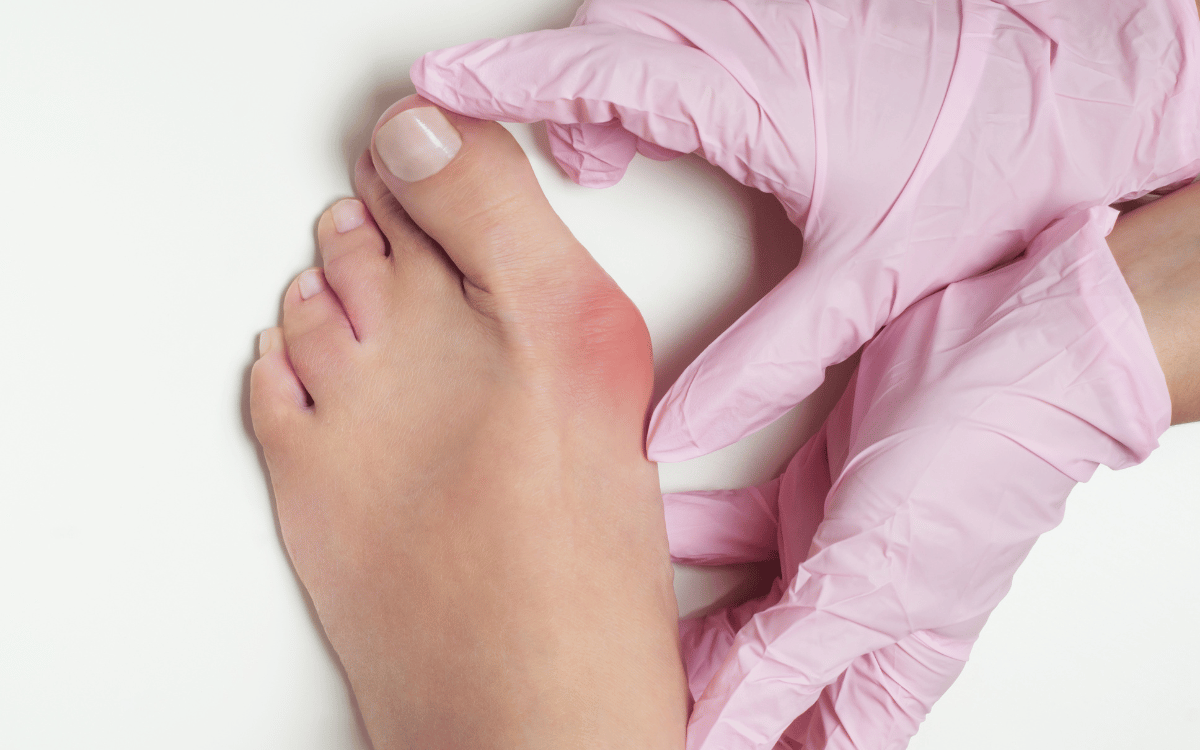
The signs of serious foot problems include persistent pain, swelling, redness, numbness, or changes in skin color. Additionally, difficulty walking or standing, as well as visible deformities, may indicate a need for professional evaluation.
How to improve foot stability during menopause?
Improving foot stability during menopause involves strengthening exercises, proper footwear, and maintaining a healthy weight. Consider balance training and consult a podiatrist for personalized guidance to address hormonal changes affecting your foot health.
What is the connection between menopause and plantar fasciitis?
The connection between menopause and plantar fasciitis lies in hormonal changes that can lead to decreased elasticity in ligaments and tendons, increasing the risk of foot pain and conditions like plantar fasciitis.
How can stretching alleviate menopause foot pain?
Stretching can alleviate menopause foot pain by improving flexibility, reducing muscle tension, and enhancing circulation in the feet. This helps to relieve discomfort and promotes overall foot health during hormonal changes associated with menopause.
What are the best practices for foot care during menopause?
The best practices for foot care during menopause include wearing supportive footwear, maintaining a healthy weight, staying active with foot-strengthening exercises, and regularly moisturizing to combat dryness. Consulting a podiatrist for personalized advice is also recommended.
How does menopause impact circulation in the feet?
Menopause can significantly impact circulation in the feet due to hormonal changes that affect blood flow. This can lead to symptoms like swelling, numbness, and increased foot pain, making proper care essential during this transition.
What are the psychological effects of foot pain?
The psychological effects of foot pain include increased anxiety, depression, and a diminished quality of life. Chronic discomfort can lead to frustration and social withdrawal, impacting overall mental well-being and daily activities.
How to choose supportive shoes for menopause?
Choosing supportive shoes for menopause involves selecting footwear with proper arch support, cushioning, and a wide toe box to accommodate foot swelling. Look for adjustable straps for a secure fit and materials that provide breathability and comfort.
What is the impact of menopause on foot arches?
The impact of menopause on foot arches includes potential flattening and decreased arch support due to hormonal changes. This can lead to foot pain and instability, making it essential to monitor foot health during this life stage.
How can I track my foot pain patterns?
Tracking your foot pain patterns involves keeping a daily log of your pain levels, activities, and any changes in symptoms. Note the time of day, duration, and triggers to identify trends and discuss them with your podiatrist for tailored solutions.
What should I discuss with my doctor about foot pain?
When discussing foot pain with your doctor, focus on the pain's location, duration, intensity, any related symptoms, and how it affects your daily activities. Additionally, mention any recent changes in your health, including menopause-related issues.