Managing Runner's Knee Pain: Essential Tips and Exercises
Runner's knee, or patellofemoral pain syndrome, is a common issue for athletes, particularly runners. This condition can arise from various factors, including improper footwear, muscle imbalances, and overuse. Understanding the causes and symptoms of runner's knee is crucial for effective management and prevention.
To effectively manage runner's knee, it's important to incorporate specific exercises that strengthen the muscles around the knee and improve flexibility. For instance, incorporating quadriceps and hamstring stretches, as well as strength training exercises like squats and lunges, can significantly alleviate pain and enhance overall knee function.
Top Foot Health Tips for Runners
Maintaining optimal foot health is essential for runners to prevent injuries and enhance performance. Simple habits, such as proper footwear selection and regular foot assessments, can make a significant difference in comfort and injury prevention during runs.
Additionally, keeping your feet clean and dry, using moisture-wicking socks, and regularly checking for blisters or other foot issues can help maintain foot health. Regular visits to a podiatrist for assessments and advice tailored to your running style can also contribute to better foot care.
Understanding the Role of Footwear in Running
Choosing the right footwear is vital for runners to minimize the risk of injuries like runner's knee. Proper running shoes should provide adequate support, cushioning, and stability tailored to your foot type and running style.
It's recommended to visit a specialty running store for a gait analysis. This evaluation can help identify the best shoe type for your needs, ensuring that you run comfortably and reduce the risk of developing knee pain or other related issues.
Benefits of Professional Podiatry Services
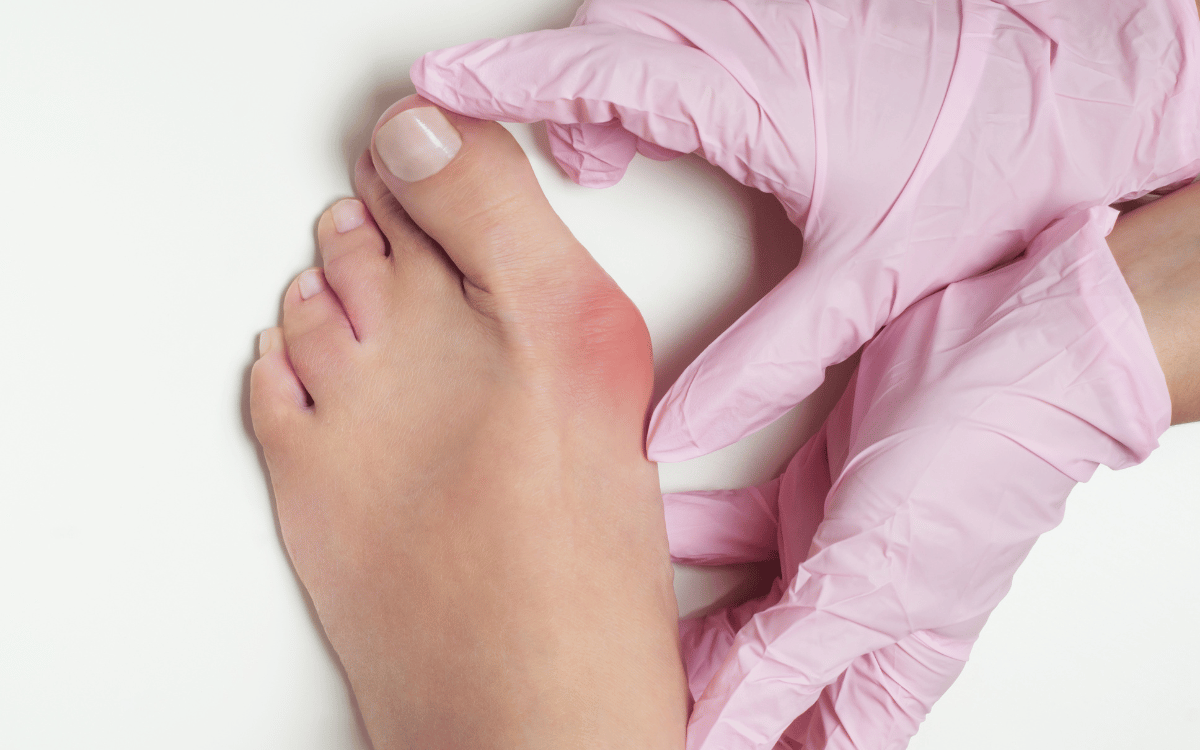
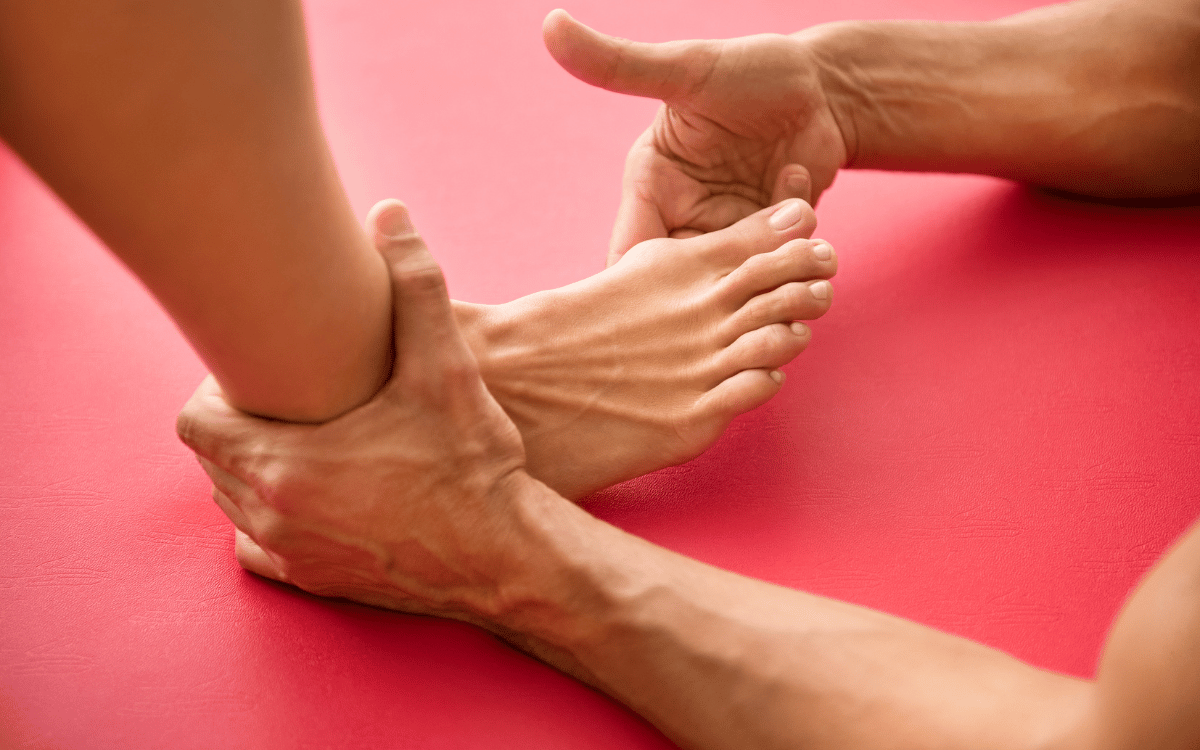
Seeking professional podiatry services can provide runners with tailored solutions to manage and prevent foot and leg ailments. Podiatrists can offer personalized assessments, recommend appropriate exercises, and suggest orthotics if necessary to enhance comfort during runs.
Furthermore, regular consultations with a podiatrist can help identify early signs of potential issues, allowing for proactive measures to be taken. This approach not only aids in injury prevention but also supports overall running performance.