Understanding Arch Pain: Causes and Symptoms
Arch pain can stem from various underlying issues, including plantar fasciitis, flat feet, and overuse injuries. Understanding these causes is crucial for proper diagnosis and treatment. Symptoms often include sharp pain in the arch area, which may worsen with activity or prolonged standing.
For instance, plantar fasciitis is one of the most common causes of arch pain, characterized by inflammation of the plantar fascia, the tissue connecting the heel to the toes. Recognizing these symptoms early can lead to more effective treatment options, including physical therapy and orthotics.
Effective Treatments for Arch Pain
There are numerous treatment options available for arch pain, ranging from conservative methods to more advanced interventions. Common treatments include rest, ice application, stretching exercises, and the use of orthotic devices to provide better foot support.
For example, custom orthotics can significantly alleviate pressure on the arches, while specific exercises can strengthen the surrounding muscles. In more severe cases, podiatrists may recommend corticosteroid injections or even surgery, depending on the severity of the condition and the patient's overall health.
Exercises to Relieve Arch Pain
Incorporating specific exercises into your routine can help alleviate arch pain and improve overall foot health. Stretching and strengthening exercises target the muscles and ligaments in the foot, which can provide relief and prevent future injuries.
One effective exercise involves rolling your foot over a tennis ball to massage the arch and relieve tension. Another is the towel stretch, where you sit with your legs extended and use a towel to pull your toes towards you, stretching the calf and arch muscles simultaneously. Regular practice of these exercises can lead to significant improvements in foot comfort.
When to Seek Professional Help
If arch pain persists despite home treatment, it may be time to consult a podiatrist. Professional evaluation can determine the underlying cause and recommend appropriate treatment options tailored to your specific needs.
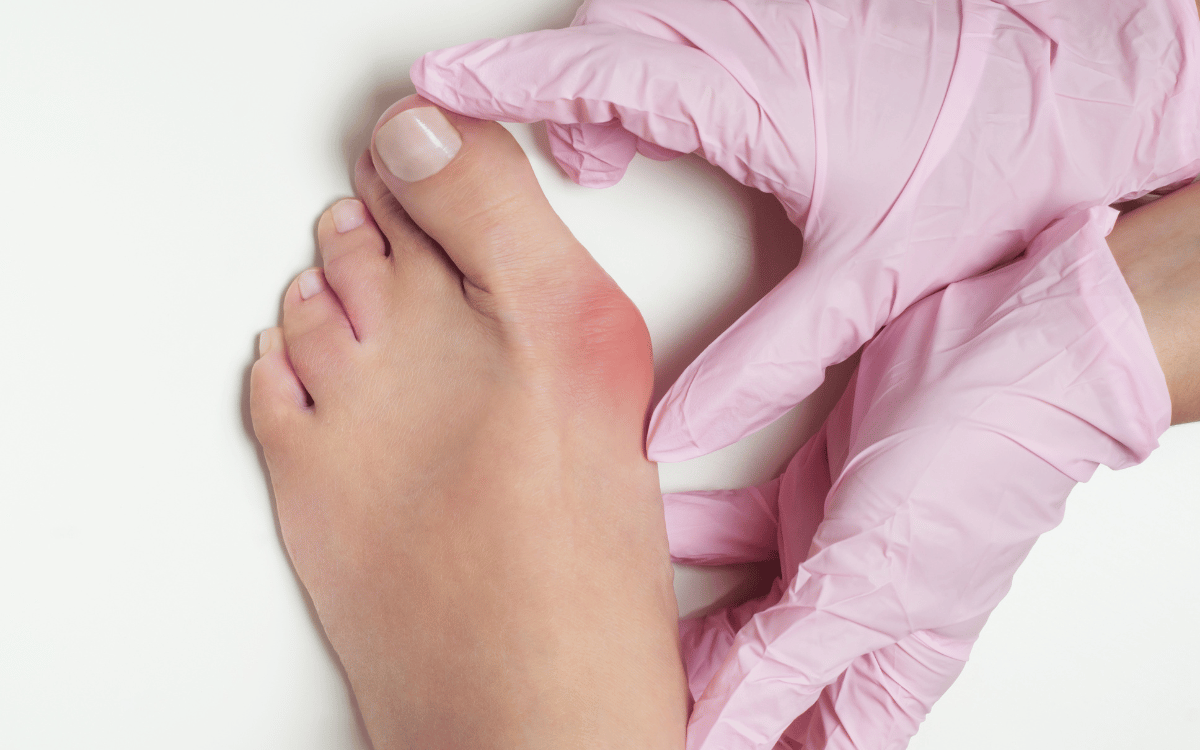
For instance, if you experience severe pain that limits your daily activities or if there is swelling and redness, these could be signs of a more serious condition requiring medical intervention. Early consultation can lead to better outcomes and a quicker return to pain-free movement.